
Bibb County inmate commissary is the approved jail store where people in custody buy basic items using money held in a trust account. It supports daily needs inside the detention center and helps people stay connected with family and legal contacts. Bibb County inmate commissary purchases usually include snacks, hygiene products, paper goods, and small comfort items not issued by the jail. The jail commissary system follows fixed schedules and spending caps, so timing and balance matter. Funds must be available before an order can be placed, and item choices depend on jail policy. This system affects daily routines and morale for inmates.
Bibb County inmate commissary information matters most to family members, friends, and attorneys who plan to send money. Many people want to help yet face delays from missing rules or incorrect deposits. This page explains trust accounts, deposit methods, purchase limits, and common restrictions in clear terms. Readers will see how inmate purchases move from a trust account to delivery inside the detention center commissary. The content focuses on practical steps and common issues that cause rejected funds. With this knowledge, supporters can send money with fewer problems and better timing.
What Is the Bibb County Inmate Commissary?
The jail commissary Bibb County is an internal store where incarcerated people can purchase approved items using money from a trust account. Through Bibb County Inmate Search, families and visitors can verify inmate accounts and ensure funds are available. This service supports daily comfort inside the county jail through regulated and scheduled purchases.
Purpose of the Jail Commissary Bibb County
The Bibb County inmate commissary functions as a controlled inmate store inside the detention facility. It allows people in custody to buy items that are not part of standard jail-issued supplies. Purchases take place on assigned days, with spending caps set by facility policy. This system helps maintain daily structure inside the jail. Routine ordering schedules create predictability, which supports calmer housing units. Clear rules around pricing, quantity, and product types reduce disputes and misuse. Jail staff oversee every transaction to maintain safety. The commissary operates under county correctional standards and vendor contracts.
Key terms often used for this service include:
- Jail canteen
- Correctional facility commissary
- Inmate store
- Inmate trust account purchasing
Items Typically Available in the Inmate Store
The jail commissary Bibb County offers products focused on hygiene, food, and communication. Items are pre-approved and selected for safety. Availability can vary by custody level or housing unit.
Most county jail commissaries carry similar product categories:
- Food and snacks: instant meals, packaged sweets, drink powders
- Hygiene supplies: soap, toothpaste, shampoo, deodorant
- Personal basics: socks, underwear, towels
- Mail supplies: paper, envelopes, postage
- Recreation items: books, puzzles, playing cards
Why Commissary Availability Matters for Inmate Welfare
Commissary availability supports physical comfort and mental stability during confinement. Personal hygiene products help maintain health. Preferred food items bring familiarity during long periods of custody. Regular purchasing opportunities improve daily morale. Predictable routines reduce frustration inside housing units. Family-funded trust accounts strengthen emotional support during incarceration. This connection often encourages compliant behavior and calmer interactions.
How to Add Money to a Bibb County Inmate Trust Account
Bibb County inmates can receive funds through their trust accounts, which allow them to use the money for commissary purchases, phone calls, and other approved expenses. Adding money to an inmate’s trust account is simple and secure when you follow the approved procedures. Friends and family can choose from several deposit methods depending on convenience, speed, and fees.
Online Deposits
Depositing money online is the quickest and most convenient way to fund an inmate’s trust account.
Steps:
- Open any web browser on mobile or desktop.
- Go to the official website: https://www.accesscorrections.com
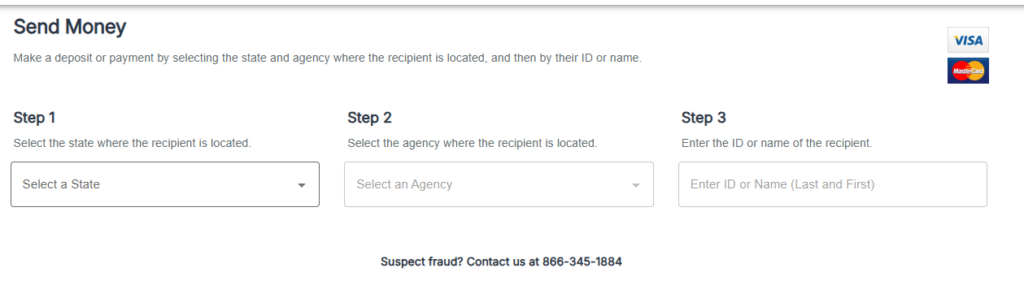
- Click SEND MONEY or SECURE DEPOSITS.
- Select State → Georgia and Facility → Bibb County Jail.
- Enter inmate details (full legal name or inmate ID number).
- Choose deposit amount and payment method (debit/credit card).
- Review fees and processing times before confirming.
Money Orders and Mail-In Deposits
For those who prefer traditional methods, money orders or cashier’s checks can be mailed.
Steps & Rules:
- Make the money order payable to the inmate or jail according to jail rules.
- Include inmate name and ID number clearly.
- Mail to the address specified on the official site.
Common mistakes:
- Incorrect inmate name or ID number
- Using personal checks instead of money orders
- Missing the jail’s mailing address
Kiosk Deposits at the Jail (If Available)
Some facilities offer self-service kiosks in the jail lobby for convenient deposits.
Information to know:
- Location: Usually near the main lobby or visitation area
- Accepted payment types: Cash, debit, or credit cards
- Processing: Funds typically post same day, often instantly
How the Bibb County Jail Commissary System Works
The Bibb County inmate commissary system allows people housed at the jail to purchase approved items using funds from their trust accounts. This jail purchasing system follows strict schedules and facility rules to keep ordering and delivery organized.
Who Operates the Commissary at Bibb County Jail?
The Bibb County inmate commissary operates through a contracted third-party service provider approved by the jail. This vendor manages product selection, pricing setup, order processing, and internal distribution planning. Every item offered goes through security review before it becomes available for purchase. The vendor does not create jail rules. All actions must follow policies established by the facility. Product availability and pricing may change based on contract terms and safety requirements. This structure allows the jail to provide commissary services without running retail operations internally.
Role of the Bibb County Sheriff’s Office
The Bibb County Sheriff’s Office maintains full authority over the commissary system. Jail leadership sets spending limits, approves item categories, and controls eligibility. Inmate Visitation schedules and rules are coordinated alongside commissary operations. Correctional staff supervise deliveries inside housing units and handle any issues tied to order disputes or policy violations.
Key responsibility areas include:
- Vendor handles inventory, ordering platform, and packing
- Sheriff’s Office sets rules, limits, and compliance standards
- Jail staff manage distribution within housing units
How Often Commissary Orders Are Processed
Commissary orders at Bibb County Jail follow a set ordering cycle. Most housing units use a weekly or bi-weekly commissary ordering process, depending on custody level and population management needs. Inmates receive notice of ordering days through posted schedules or unit announcements. Orders must be placed within assigned time windows. Late submissions are not accepted. Funds must be available in the inmate trust account before the ordering period closes.
Delivery and Distribution Timelines
After the order window closes, the vendor processes all requests together. Orders are packaged under controlled conditions and delivered to the jail. Distribution inside the facility usually occurs within several days of processing.
Common delivery factors include:
- Housing unit schedules
- Security checks
- Lockdowns or holidays
Bibb County Inmate Trust Account
A trust account is the official money account used by people held at the jail to manage approved expenses. The Bibb County inmate trust account tracks deposits, spending, and remaining balances under facility rules.
What Is an Inmate Trust Account?
An inmate trust account serves as a regulated financial record during custody. Money placed into this account belongs to the inmate and stays recorded under their name and ID. The jail uses this account to manage purchases and approved charges in a controlled way. Funds enter the account through family deposits, approved transfers, or earned jail wages when offered. The system keeps a clear transaction history. This record supports accountability for both the inmate and the facility. Jail staff oversee the account to meet correctional standards.
Difference Between a Trust Account and Commissary
A trust account and the commissary serve different roles. The trust account holds the money. The commissary is the store where items are purchased.
Key differences include:
- Trust account stores funds and balance history
- Commissary sells approved items
- All commissary spending draws from the trust account
- Trust accounts may cover charges beyond shopping
What Funds Can Be Used For?
Money in a jail funds account supports several approved expenses during custody. Each charge follows facility policy and set limits.
Common approved uses include:
- Commissary purchases for food, hygiene, and basic items
- Medical co-pays for clinic visits or treatment requests
- Phone calls placed through the jail’s calling system
- Fines or fees, when assessed by the facility or court
Commissary Spending Limits at Bibb County Jail
The jail commissary Bibb County has clear spending rules that control how much money an inmate can use in a given period. These limits help maintain fairness, security, and orderly operations within the facility while ensuring inmates can access necessary items.
Weekly and Monthly Spending Caps
Inmates at Bibb County Jail are subject to weekly or monthly spending caps for commissary purchases. These limits vary by housing unit and custody level but are generally set to prevent overspending and maintain financial fairness among all inmates.
Typical ranges include:
- Weekly spending: $40–$75
- Monthly cumulative limits may also apply depending on inmate classification
Limits exist to:
- Prevent hoarding of goods
- Reduce conflicts over items
- Ensure funds are available for essential purchases
Factors That May Reduce Commissary Access
Several conditions inside the jail can limit or pause commissary use for an inmate. These limits are not random and usually connect to housing placement, behavior records, or safety rules within the facility. When restrictions apply, they often affect how much can be spent, which items are available, or whether ordering is allowed during a specific period. Jail staff apply these limits to maintain order and reduce security risks. Restrictions may be temporary or longer-term, depending on the situation and facility policy.
Classification Status
Inmates may have limited access to the commissary based on their housing unit classification. Higher-security or restrictive housing levels often face lower spending caps or restricted product availability.
Disciplinary Restrictions
Behavior inside the jail can affect commissary privileges. Inmates with ongoing disciplinary actions may face temporary suspension of commissary access. This includes issues like rule violations or security infractions. Monitoring spending and enforcing restrictions help maintain order in the facility. Clear rules about spending limits and access ensure that the commissary system benefits both inmates and staff while keeping the process secure and fair.
What Can Inmates Buy From the Bibb County Commissary?
The Bibb County inmate commissary items list includes approved products that help inmates manage daily needs during custody. Items are grouped into clear categories and reviewed for safety before sale. Availability can change based on housing unit rules and ordering schedules.
Food and Snacks
Food items from the commissary allow inmates to supplement regular jail meals with packaged options. These items provide familiarity and help maintain routine during confinement. Portions and quantities follow set limits to prevent misuse. All food products are shelf-stable and approved for correctional use. Selection may vary by ordering cycle and housing status.
Common food and snack categories include:
- Packaged noodles and ready-to-eat meals
- Chips, crackers, and salty snacks
- Cookies, candy, and sweet items
- Coffee, drink mixes, or powdered beverages
Hygiene and Personal Care Items
Hygiene and personal care items support cleanliness beyond basic jail-issued supplies. These products help inmates maintain personal comfort and routine health practices. Quantity limits apply to reduce storage concerns. Items are reviewed to meet facility safety standards. Some housing units may have restricted access to specific products.
Typical hygiene and personal care items include:
- Soap, shampoo, and conditioner
- Toothpaste, toothbrushes, and floss
- Deodorant and personal wipes
- Approved hair care items
Writing Materials and Miscellaneous Items
Writing materials and miscellaneous items allow inmates to communicate with family and manage daily activities. These items support mail correspondence and limited personal organization. All products must meet jail security rules. Materials that pose safety risks are excluded. Access may vary based on custody level.
Common miscellaneous commissary items include:
- Writing paper, envelopes, and stamps
- Approved pens or pencils
- Books, puzzles, or reading materials
- Small comfort items approved by the facility
Bibb County Jail Commissary Rules and Restrictions
The Bibb County inmate commissary rules set clear boundaries on what can be purchased, how much can be ordered, and when access may be limited. These jail regulations protect safety, support fairness, and keep daily operations consistent across housing units.
Items That Are Not Allowed
Certain products are not permitted through the commissary due to safety and security rules. Items that could be altered, traded, or misused are excluded from sale. The jail reviews all products before approval and may remove items at any time. Restrictions apply across all housing units, with tighter controls in higher-security areas. This approach reduces risks inside the facility.
Commonly restricted items include:
- Sharp objects or metal components
- Glass containers or breakable materials
- Items with strong scents or chemical content
- Unapproved electronics or accessories
Quantity Limits
Quantity limits control how many items an inmate may buy during each ordering cycle. These limits prevent stockpiling and reduce conflict between inmates. Limits apply to food, hygiene products, and personal supplies. Spending caps and item counts work together during the commissary ordering process. Jail staff monitor orders to confirm compliance.
Typical quantity controls may include:
- Maximum number of food items per order
- Limits on hygiene products per cycle
- Restrictions on duplicate item purchases
Disciplinary Commissary Suspensions
Commissary access can be reduced or paused during disciplinary action. Rule violations, safety concerns, or ongoing investigations may trigger temporary restrictions. These suspensions often apply for a set period defined by facility policy. Once the restriction period ends, access may return to normal levels. Jail staff notify inmates of any changes to commissary privileges.
Disciplinary limits may involve:
- Full suspension of commissary access
- Reduced spending caps
- Restricted item categories
How to Check a Bibb County Inmate Commissary Balance
To check a Bibb County inmate trust account, families and friends use the jail’s approved online system. This method shows the current commissary balance and reflects recent deposits and pending charges tied to the inmate’s account.
Online Inmate Balance Lookup
Follow these steps carefully to complete an inmate balance lookup:
Official link: https://www.accesscorrections.com
- Open the official website using the link above
- Select Georgia from the state list
- Choose Bibb County Jail as the facility
- Enter the inmate’s full legal name or inmate ID
- Select the correct inmate record
What Information Is Needed to Check Jail Account Status
Accurate details help prevent errors during the search. The system relies on official jail records.
Required details usually include:
- Full legal name of the inmate
- Inmate ID number (most accurate)
- Correct facility selection
Bibb County Commissary vs State Prison Commissary
Many visitors confuse county jail commissaries with state prison commissaries. Knowing the county jail vs state prison differences helps families avoid mistakes, delays, and wrong expectations. Bibb County Jail operates very differently from long-term correctional facilities.
Facility Type and Length of Stay
Bibb County Jail is a county-level detention facility. It holds people awaiting court dates, sentencing, or short-term custody. State prisons house individuals serving longer sentences after conviction. This difference affects how commissary systems function. County jail commissaries focus on short-term needs. State prison commissaries support long-term daily living. As a result, product selection, ordering schedules, and spending limits differ.
Commissary Item Selection
Bibb County inmate commissary items focus on basic comfort and daily use. Selection remains limited to reduce storage and security risks. State prison commissaries usually offer broader options due to longer inmate stays.
Typical differences include:
- County jail: basic snacks, hygiene, writing supplies
- State prison: expanded food options, clothing, electronics (approved)
Ordering Frequency and Spending Limits
Bibb County Jail follows tighter ordering cycles. Weekly or bi-weekly windows are common, with lower spending caps. These limits support short stays and high inmate turnover.
State prison commissaries often allow:
- Higher spending limits
- Regular weekly ordering
- Larger quantity allowances
Payment and Account Management
Both facilities use inmate trust accounts, yet account handling differs. Bibb County inmate trust accounts may see frequent deposits and quick spending due to short stays. State prison accounts often support long-term budgeting.
Key account differences:
| Feature | Bibb County Jail | State Prison |
|---|---|---|
| Length of stay | Short-term | Long-term |
| Spending limits | Lower | Higher |
| Item variety | Limited | Expanded |
| Ordering cycle | Weekly / bi-weekly | Weekly |
Frequently Asked Questions
Families and friends often have questions about how the Bibb County inmate commissary works, especially when managing deposits, balances, and ordering rules. This FAQ section explains common concerns in clear language to help reduce confusion and prevent delays. It focuses on how the commissary system connects to the inmate trust account and how jail policies affect daily purchasing. The answers reflect standard county jail practices and are meant to support smoother planning. Reading through these questions can help visitors avoid common mistakes and better support someone in custody.
When Is Commissary Money Available?
Money added to the Bibb County inmate commissary usually becomes available within a few hours when deposited online. In many cases, funds post the same day, though some transactions may show as pending before final confirmation. Processing times can vary based on payment method, system volume, or verification checks. Deposits made late at night or during high-traffic periods may appear the next business day. Mail-in deposits take longer and may require several days after arrival for posting. Checking the inmate balance regularly helps confirm when funds are ready for use.
Can Inmates Share Commissary Money?
Inmates are not allowed to transfer money from one trust account to another. Each account is tied to a single inmate ID and managed under strict jail financial rules. Allowing transfers could create security and fairness issues inside the facility. If family members want to support more than one inmate, deposits must be made separately to each individual account. Jail staff monitor accounts closely to prevent misuse or unauthorized activity. Any attempt to move funds between inmates is blocked by the system.
What Happens to Funds After Release?
When an inmate is released from Bibb County Jail, the remaining balance in the trust account does not disappear. The jail follows a standard release process that accounts for any unused funds. In many cases, remaining money is returned to the inmate through a release check or debit card, depending on facility procedures. If the inmate transfers to another facility, the balance may follow them through approved channels. Outstanding fees or charges may be deducted before release. Families should allow time for final account processing.
Are There Commissary Spending Limits?
Yes, the jail commissary Bibb County operates with spending caps that control how much an inmate can use during a set period. These limits are usually weekly and may vary by housing unit or custody level. Spending caps help prevent stockpiling and support orderly operations. Even if an inmate has a higher account balance, purchases cannot exceed the allowed limit. These rules apply equally across the facility unless special restrictions are in place.
Why Does the Balance Look Lower?
A lower balance often results from pending commissary orders or recent charges that have not fully processed. When an inmate places an order, the system may temporarily hold funds until delivery is complete. Medical co-pays, phone usage, or facility fees can also reduce the balance. Timing delays may occur during weekends or holidays. Checking the account again later usually shows updated information once processing finishes.
Can Commissary Access Be Restricted?
Yes, commissary access can be limited under certain conditions. Disciplinary actions, housing changes, or security concerns may result in temporary restrictions. During these periods, inmates may face lower spending limits or no ordering access. Once restrictions end, normal commissary privileges typically resume. Jail staff communicate these changes directly to inmates.